
Tavče Gravče: The Traditional Dish of North Macedonia
If there is one dish that represents the cuisine of North Macedonia, it is tavče gravče.
At first glance, it may look like nothing more than a simple dish of baked beans. But once you taste it, you quickly understand that this apparently humble recipe is an important part of Macedonian culinary tradition.
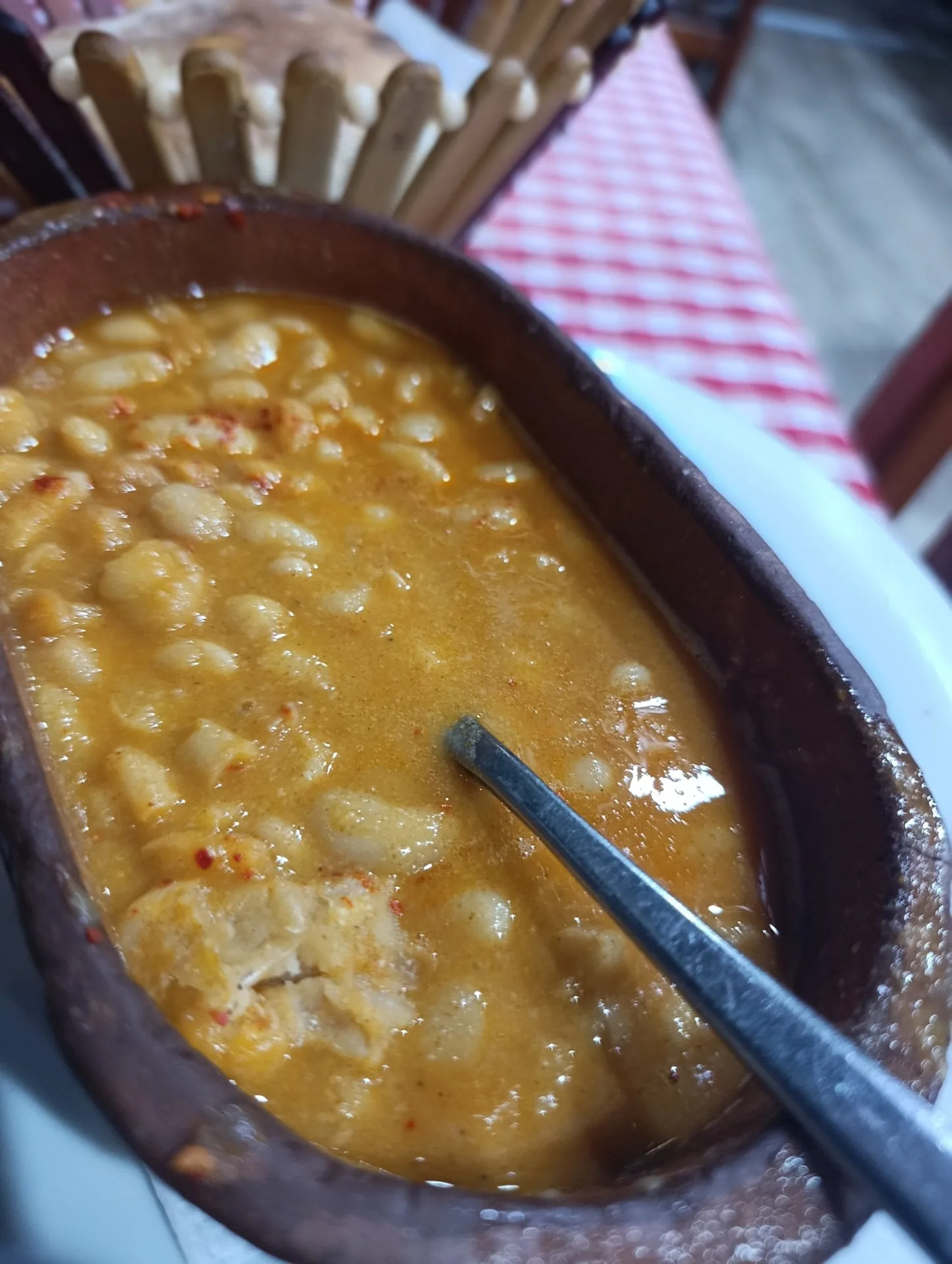
Tavče gravče is made with white beans, onion, paprika and other herbs and spices, then slowly baked in a traditional clay dish. The earthenware dish in which it is cooked and served is one of the features that makes this dish instantly recognisable.
How do you pronounce tavče gravče?
The original Macedonian name is tavче гравче, usually transliterated into Latin characters as “tavče gravče”.
For English speakers, the name may look a little difficult at first, especially because of the “č” sound. It is roughly similar to the “ch” sound in the English word “church”.
The name is closely connected to the way the dish is prepared: “tavče” refers to the traditional baking dish, while “gravče” means beans.
So, if you are travelling around North Macedonia and want to order it at a restaurant, give it a try. Tavče gravče is definitely one of those local words worth learning during your trip.
What is tavče gravče?
Tavče gravče is a traditional dish made with white beans that are first cooked and then seasoned before being baked in the oven.
The traditional recipe generally includes beans, onion, oil, paprika, garlic, pepper, salt and herbs such as parsley and mint. There are different variations of the recipe, and some restaurants serve versions that include smoked meat, bacon, sausage or ribs.
One important characteristic is that the beans should not turn into a purée. They should remain soft but whole, surrounded by a rich and flavourful sauce.
During the final baking, a light crust forms on the surface, adding another layer of texture and flavour to the dish.
Why is it served in a clay dish?
The traditional clay dish is not simply a decorative detail.
Tavče gravče is traditionally baked and served in the same earthenware dish, which helps it retain heat. It also gives the dish its rustic and traditional appearance.
When it arrives at the table, therefore, don't necessarily expect an ordinary plate of beans.
The small clay dish is often still extremely hot and is very much part of the experience.
It is probably one of the reasons why tavče gravče is so easy to recognise, even if you are seeing it for the first time.
Which beans are used?
The quality of the beans is important for a good tavče gravče.
North Macedonia is particularly known for the beans grown around Tetovo, often referred to as “tetovski grav”. The Tetovo region in western North Macedonia has a strong connection with the production of white beans traditionally used to prepare tavče gravče.
This connection with Tetovo also explains why the dish is particularly important in the cuisine of the city and the wider Polog region.
How is tavče gravče prepared?
Traditional preparation takes some time.
The beans are first soaked in cold water for several hours, often overnight. They are then cooked until tender, while making sure they do not completely fall apart.
Meanwhile, the onion and paprika are prepared together with the other seasonings. Depending on the recipe, garlic, pepper, mint, parsley and other herbs may also be added.
The cooked beans are then combined with the seasoned mixture and transferred to a traditional clay dish.
This is where the final stage of cooking takes place. The tavče gravče is baked until a characteristic crust develops on the surface and some of the liquid has reduced, leaving the beans tender and full of flavour.
Is tavče gravče vegetarian?
The traditional recipe can be completely vegetarian and, when prepared without meat, it is also associated with the fasting traditions of the Macedonian Orthodox community.
However, when ordering tavče gravče at a restaurant, it is always worth asking how it has been prepared.
Some variations include meat, bacon, sausage or smoked meat.
If you are vegetarian or follow a specific diet, make sure to ask whether the version being served contains meat or other animal products.
What do you eat with tavče gravče?
Tavče gravče can be enjoyed on its own as a main dish, perhaps with bread and fresh vegetables, or served as part of a larger traditional meal.
In restaurants, it can also be served alongside grilled meats, sausages, smoked meat or ribs.
The combination of rich, seasoned beans with grilled meat is particularly common in the traditional cuisine of North Macedonia.
Tavče gravče in Skopje
Finding tavče gravče in Skopje is not difficult, especially in restaurants serving traditional Macedonian cuisine.
It is one of the dishes worth trying if you want to go beyond the monuments, the Old Bazaar and the city's better-known attractions.
One of the most interesting things about tavče gravče is that it is not simply a dish created for tourists. It is part of the country's traditional cuisine and everyday food culture, which makes trying it during a trip even more interesting.
When that small clay dish arrives at your table, still steaming from the oven, it is difficult not to take a photo before digging in.
How much does tavče gravče cost?
The price can vary considerably depending on the restaurant, location, portion size and any additional ingredients included in the dish.
Traditional restaurants may offer tavče gravče as a main dish or as part of a larger meal.
For this reason, rather than looking for a standard price, it is best to check the menu of the restaurant you choose.
Tavče gravče: a simple recipe with a lot of history
Perhaps that is what makes tavče gravče so interesting.
It is not an elaborate dish in the modern sense. It does not require particularly sophisticated ingredients. Instead, it comes from a cuisine built around simple products, slow cooking and traditions passed down through generations.
Beans, onion, paprika, herbs and a traditional clay dish.
Simple ingredients that, together, tell a story about the cuisine of North Macedonia.
And when you find yourself sitting in front of that steaming clay dish, perhaps in a restaurant in Skopje or Tetovo, you will understand why tavče gravče is considered one of the country's most representative dishes.
If you are visiting North Macedonia, make room for it on your itinerary. Between a walk through the Old Bazaar, a visit to Kale Fortress and a stroll along the Vardar River, leave some time for a traditional dish of baked beans.
Because sometimes, the best way to get to know a country is simply to sit down at its table.
No comments yet. Be the first to comment.