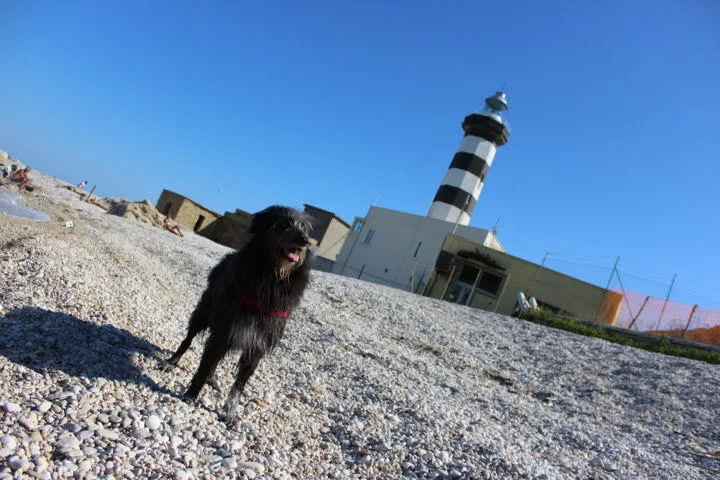
Ortona a Mare is one of Abruzzo’s most distinctive Adriatic towns, in the province of Chieti. Between harbour life, a historic centre perched above the sea and the famous Trabocchi Coast, it mixes history, landscape and seaside living — a strong base for a beach holiday, a cultural weekend or a slow trip along the Abruzzo shoreline.
Where it is
Ortona sits on the central Abruzzo Adriatic coast, a short hop from Francavilla al Mare and Pescara to the north, and San Vito Chietino and Fossacesia to the south. Inland, cultivated hills and Chieti-province villages unfold; ahead lie the sea and the line of trabocchi, traditional wooden fishing platforms that are now a regional icon for tourism and food.
A short history
Ortona’s roots are ancient: settled in pre-Roman and Roman times, it grew as a maritime and trading centre. In the Middle Ages and early modern period it was a strategic port and fortified town. The Aragonese Castle and remaining walls still speak of its defensive role over the sea.
In the twentieth century Ortona was the scene of fierce fighting in the Second World War (the “Battle of Ortona”, December 1943). The Moro River Canadian War Cemetery and other memorial sites keep that chapter alive as part of the local story.
What to see in town
Aragonese Castle
Standing on the cliff above the sea, the Aragonese Castle is Ortona’s most iconic landmark. Walk the walls and viewpoints for panoramas over the harbour, waterfront and coastline — the best starting point for the old town.
Cathedral of St Thomas the Apostle
The cathedral is tied to the cult of St Thomas and is one of the city’s main places of faith. Around it, lanes, squares and historic buildings show how seafaring life and local spirituality intertwine.
Battle of Ortona Museum and memorial sites
For twentieth-century history, Ortona offers trails and spaces dedicated to the 1943 battle. The Canadian war cemetery on the Moro River, just outside town, is a quiet, moving place set in the rolling hills.
Harbour and waterfront
The commercial and tourist harbour is the lively heart of town: fishing boats, sunset walks, bars and seafood restaurants. From the waterfront you can reach city beaches and the coastal paths heading south.
Sea, beaches and the Trabocchi Coast
Ortona works well for a family beach holiday, with resorts and stretches of free beach. Its signature landscape is the Trabocchi Coast: a shoreline route from Ortona toward Vasto, with cliffs, coves, paths and the famous fishing platforms, many now restaurants over the water.
The Trabocchi Coast cycle/pedestrian path is one of the best experiences from Ortona — by bike or on foot, with scenic stops and food breaks. Sea, nature and tradition in one itinerary.
Things to do
Food and local flavours
Ortona’s table is Abruzzese and seafood-driven: fish stew (brodetto), mixed fry, cuttlefish, squid and catch-of-the-day dishes. On the Trabocchi Coast, restaurants on the platforms serve fresh fish with Adriatic views.
Inland classics also appear: arrosticini, homemade pasta (such as maccheroni alla chitarra), cheeses, olive oil and regional wines (Trebbiano, Montepulciano d’Abruzzo and more). A good food trail links harbour, trabocchi and town trattorie.
When to go
Peak season is summer, June to September, when beach and waterfront life are busiest. May, June and September often suit milder weather, fewer crowds and coastal walks. Spring and autumn remain strong for culture, food and cycling the Trabocchi Coast; winter is quieter, good for relaxed weekends and cultural visits.
How to get there
By car: Ortona is reached from the A14 motorway (Ortona exit), with easy links to Pescara, Chieti and Vasto.
By train: Ortona station sits on the Adriatic line; centre and harbour are a short distance away.
By air: the nearest airport is Pescara (Abruzzo Airport), about half an hour by car, then bus, train or hire car.
Nearby
Easy day trips from Ortona include:
Why visit Ortona
Ortona a Mare is more than a beach stop: it is a harbour town with a dense history, a centre overlooking the Adriatic and direct access to one of Abruzzo’s finest landscapes, the Trabocchi Coast. For beach time, culture, food and easy travel, it is a practical and authentic base for the Chieti coast and hinterland.
Dal viaggiatori
Reviews
2 racconti su Ortona
2
Based on 2 reviews
Con foto
50%
Con racconto
100%
Hai vissuto Ortona?
Racconta la tua esperienza dal profilo: testo e foto compaiono qui dopo la pubblicazione.
Ortona è una splendida cittadina.
Un promontorio sul mare tutto da scoprire.
Il centro storico è diviso in due quartieri
Terravecchia con i suoi angiporti medievali,la cattedrale dove sono racchiuse le ossa di San Tommaso apostolo ed il castello,poco distante troverete anche la piazza a forma di foglia d'acero in ricordo dei caduti Canadesi della seconda guerra mondiale e palazzo Farnese.
Terranova con il corso principale dove gustare le Nevole, il teatro,la chiesa barocca di S.Caterina e tanto altro...
Da non dimenticare la chiesa di S.Maria delle grazie dove riposa il corpo intatto del beato Lorenzo.
E se di sole chiese vogliamo parlare c'è da visitare la santissima Trinità,alle spalle del monumento Cascella, la chiesa di San Rocco con il cippo dedicato a S.Brigida e perché no anche le piccole chiesette ed edicole delle contrade.
Per passeggiare si può fare un salto a zooart e poi giù per la pista ciclopedonale che parte dai ripari di Giobbe e prosegue per 40km sulla costa dei trabocchi.
Cittadina ridente sulla costa abruzzese. Piena di storia, dalla corte di Margherita d' Austria fino alla Seconda Guerra Mondiale. Città in cui sono deposte le ossa del Santo Apostolo Tommaso presso la Cattedrale.
Cibo e vini di livello.
Città sul mare ma serve mezz'ora per andare in montagna.
Da visitare assolutamente il Castello Aragonese, la Cattedrale di san Tommaso, le Mura Caldoriane, il Museo della Battaglia di Ortona.
Feste tipiche della città sono il Perdono che si svolge a maggio, che ripete l indulgenza che è arrivata durante il Medioevo, la Festa di San Sebastiano con il tradizionale vaporetto e " Lu puzzunette", una cena tipica legata alla festività.un dolce tipico è la nevola, tipicamente ortonese, fatta con il mosto cotto.
La città è famosa per aver dato i natali a Francesco Paolo Tosti, grandissimo compositore conosciuto a livello internazionale.
Conosciuta come la Piccola Stalingrado durante la seconda guerra mondiale perché è una delle città più bombardate firmate il conflitto, è stata una città strategica per il passaggio della linea Gustav